Function test of an (almost) 70-year-old cameraFunction test of an (almost) 70-year-old cameraFunktionstest einer (fast) 70 Jahre alten Kamera
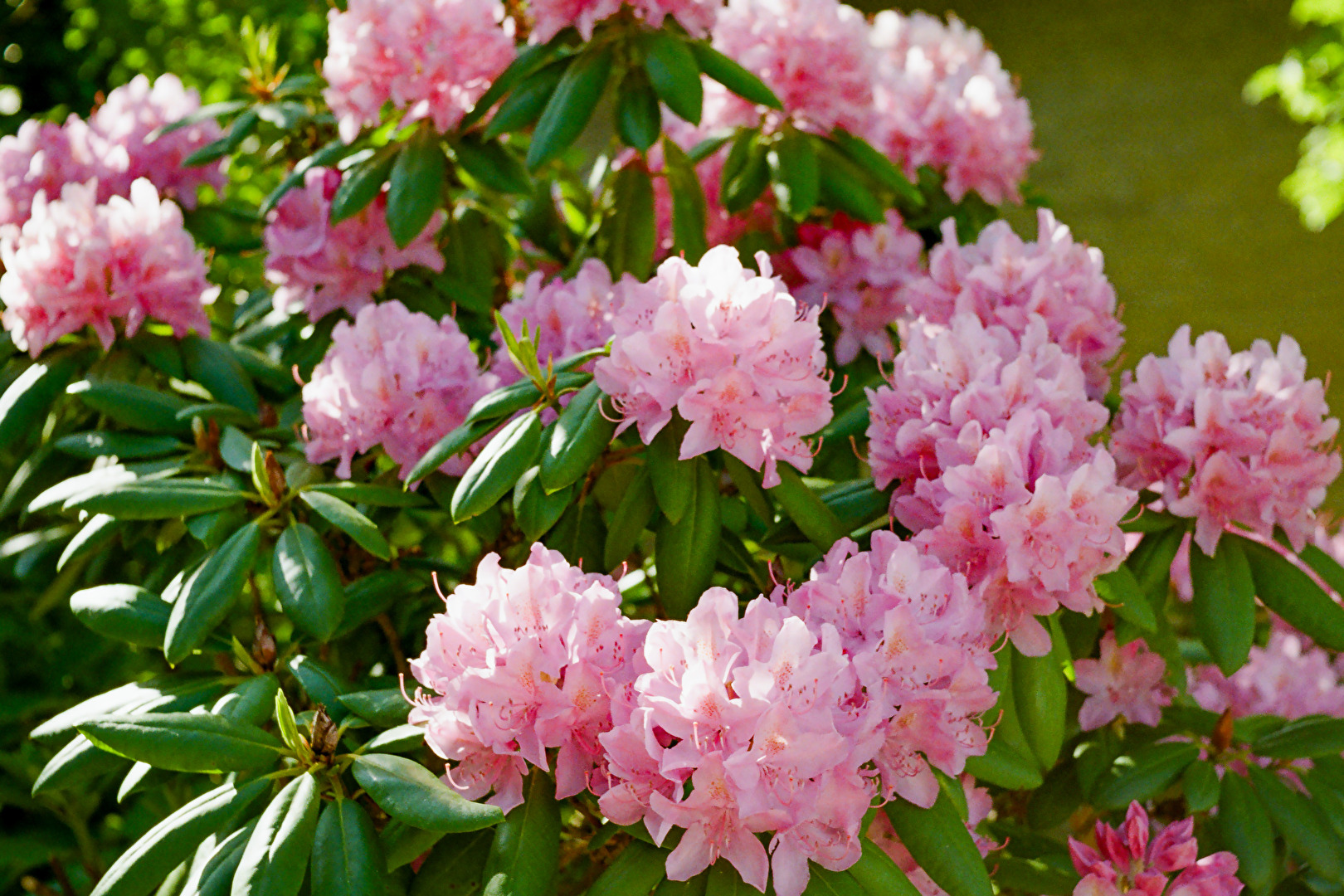
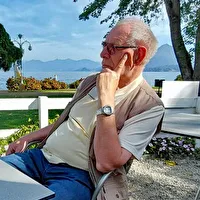
The photo was taken with the purely mechanical rangefinder camera Voigtländer Vito BL (1956) with a Color-Skopar 50mm f/2.8 lens (1/300 sec at about f/4.5). I was able to free up the resin-seized focus ring with a hairdryer and used a smartphone app for metering, as the (uncoupled) selenium light meter is now dead. The film used was Kodak Gold 200, developed with Fujifilm's industry standard process and scanned in the lab with a Noritsu as an XXL TIFF (6630x4420px). In post-processing, I only reduced the file size and saved it as a JPG. I’m pleasantly surprised by the result and will next try classic black and white.The photo was taken with the purely mechanical rangefinder camera Voigtländer Vito BL (1956) with a Color-Skopar 50mm f/2.8 lens (1/300 sec at about f/4.5). I was able to free up the resin-seized focus ring with a hairdryer and used a smartphone app for metering, as the (uncoupled) selenium light meter is now dead. The film used was Kodak Gold 200, developed with Fujifilm's industry standard process and scanned in the lab with a Noritsu as an XXL TIFF (6630x4420px). In post-processing, I only reduced the file size and saved it as a JPG. I’m pleasantly surprised by the result and will next try classic black and white.Das Bild wurde mit der rein mechanischen Sucherkamera Voigtländer Vito BL (1956) mit Color-Skopar-Objektiv 50mm f/2.8 aufgenommen (1/300sek bei ca. f/4.5). Den verharzten Objektiv-Ring der Entfernungseinstellung konnte ich mit einem Fön wieder gangbar machen und habe die Belichtungsmessung mit einer Smartphone-App vorgenommen, da der (ungekoppelte) Selen-Belichtungsmesser mittlerweile erblindet ist. Als Film ist der Kodak Gold 200 zum Einsatz gekommen, Entwicklung mit Industriestandard von Fujifilm und Scan mit einem Noritsu als XXL-TIFF (6630x4420px) im Labor. In der "Nachbearbeitung" habe ich hier nur die Dateigröße verringert und es als JPG gespeichert. Von dem Ergebnis bin ich positiv überrascht und werde als nächstes klassisch s/w testen.





Function test of an (almost) 70-year-old cameraFunction test of an (almost) 70-year-old cameraFunktionstest einer (fast) 70 Jahre alten Kamera
The photo was taken with the purely mechanical rangefinder camera Voigtländer Vito BL (1956) with a Color-Skopar 50mm f/2.8 lens (1/300 sec at about f/4.5). I was able to free up the resin-seized focus ring with a hairdryer and used a smartphone app for metering, as the (uncoupled) selenium light meter is now dead. The film used was Kodak Gold 200, developed with Fujifilm's industry standard process and scanned in the lab with a Noritsu as an XXL TIFF (6630x4420px). In post-processing, I only reduced the file size and saved it as a JPG. I’m pleasantly surprised by the result and will next try classic black and white.The photo was taken with the purely mechanical rangefinder camera Voigtländer Vito BL (1956) with a Color-Skopar 50mm f/2.8 lens (1/300 sec at about f/4.5). I was able to free up the resin-seized focus ring with a hairdryer and used a smartphone app for metering, as the (uncoupled) selenium light meter is now dead. The film used was Kodak Gold 200, developed with Fujifilm's industry standard process and scanned in the lab with a Noritsu as an XXL TIFF (6630x4420px). In post-processing, I only reduced the file size and saved it as a JPG. I’m pleasantly surprised by the result and will next try classic black and white.Das Bild wurde mit der rein mechanischen Sucherkamera Voigtländer Vito BL (1956) mit Color-Skopar-Objektiv 50mm f/2.8 aufgenommen (1/300sek bei ca. f/4.5). Den verharzten Objektiv-Ring der Entfernungseinstellung konnte ich mit einem Fön wieder gangbar machen und habe die Belichtungsmessung mit einer Smartphone-App vorgenommen, da der (ungekoppelte) Selen-Belichtungsmesser mittlerweile erblindet ist. Als Film ist der Kodak Gold 200 zum Einsatz gekommen, Entwicklung mit Industriestandard von Fujifilm und Scan mit einem Noritsu als XXL-TIFF (6630x4420px) im Labor. In der "Nachbearbeitung" habe ich hier nur die Dateigröße verringert und es als JPG gespeichert. Von dem Ergebnis bin ich positiv überrascht und werde als nächstes klassisch s/w testen.