Fine-Art Black & White
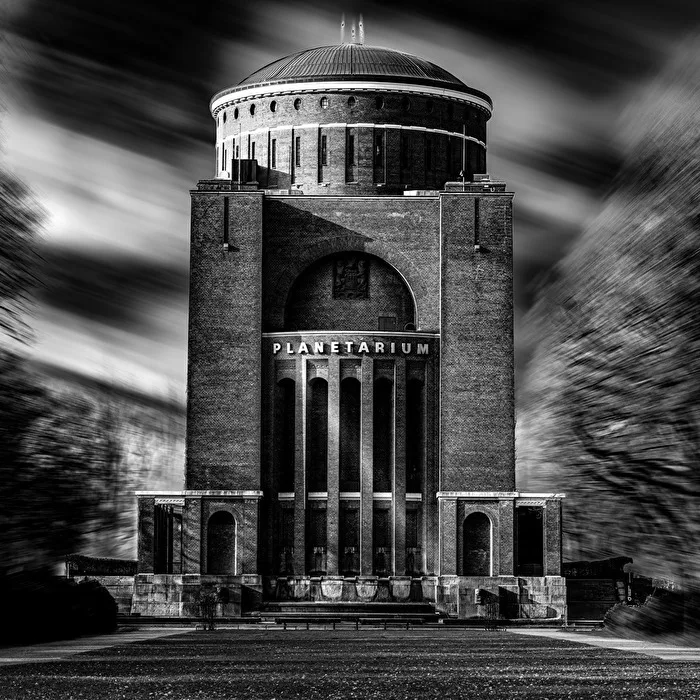
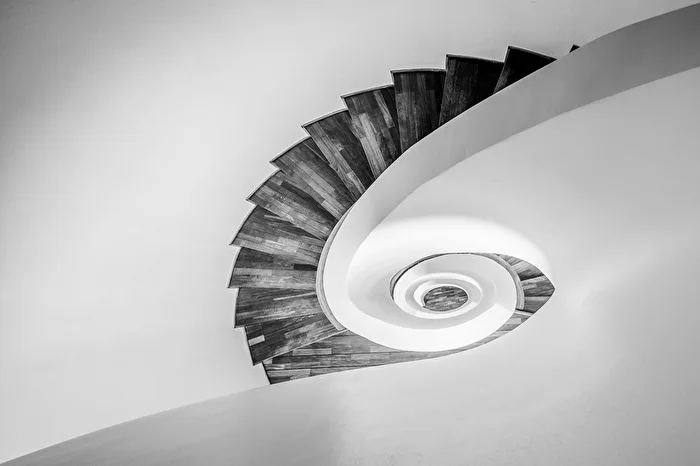
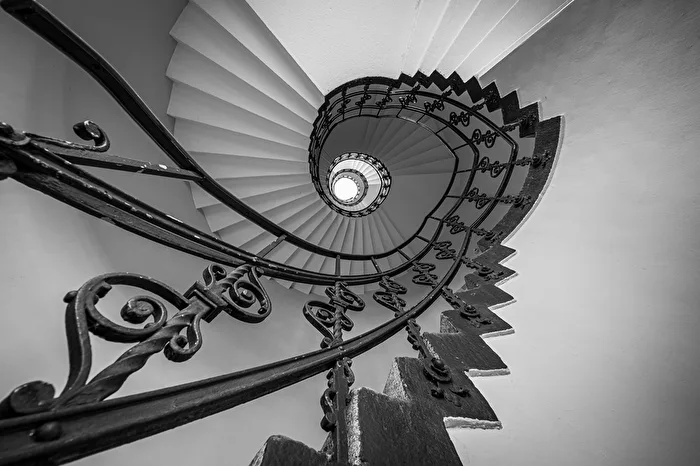
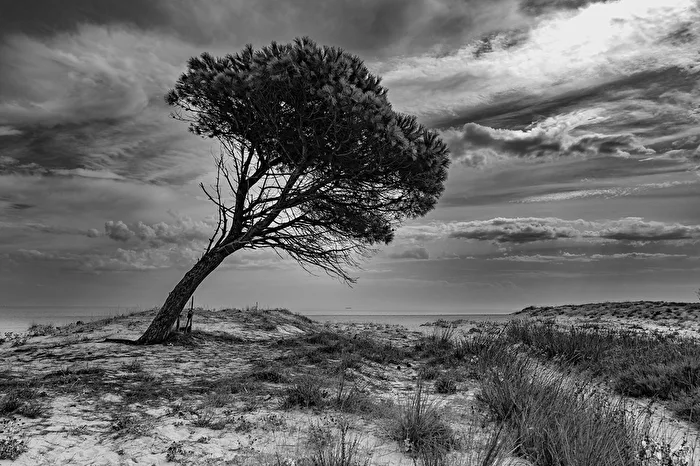
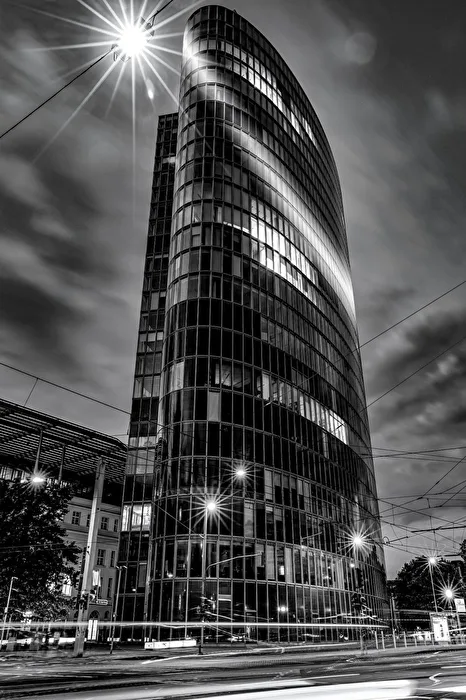
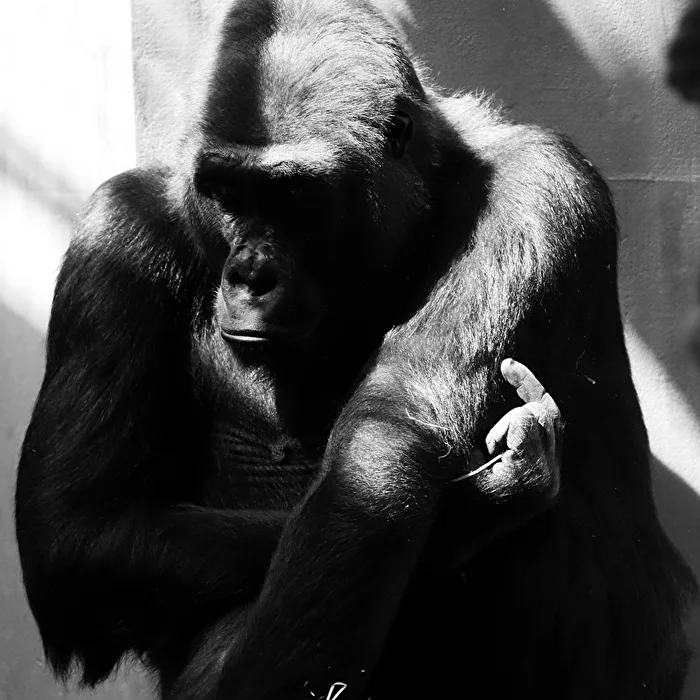
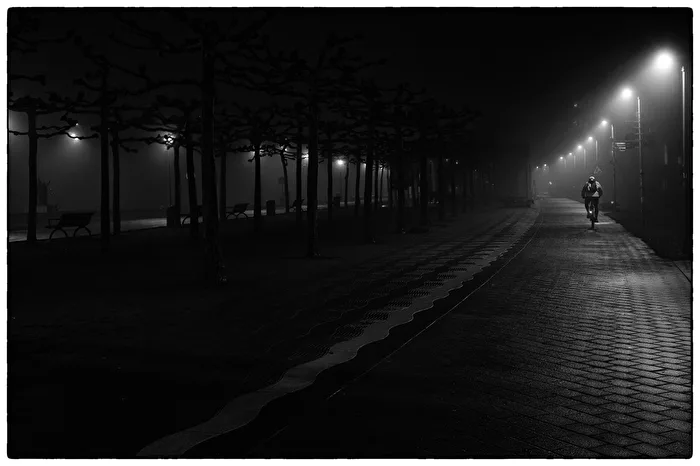
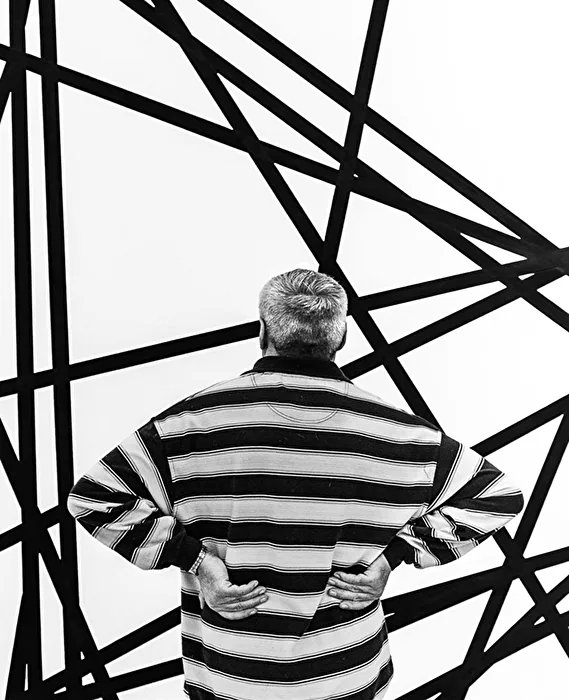
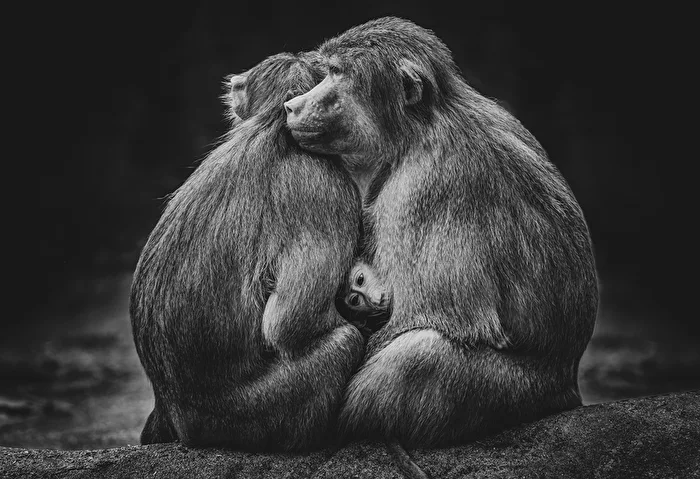
Fine-Art Black & White Photography – it sounds grand, but often it’s just a keen eye and a quiet moment. That’s exactly what this contest is about: your main subject is Fine-Art Black & White Photography itself. Minimalist, honest, sometimes a bit stubborn – like an old friend who needs no filter. Or to quote Ansel Adams: You don’t make a photograph just with a camera. And don’t worry: even if your image looks underexposed at times – sometimes that’s exactly its character.
Fine-Art Black & White Photography – Creative Composition with Light, Contrast, and Texture
Fine-Art Black & White Photography thrives on reduction and deliberate design. Difficulty level? Medium – with a slight philosophical twist. Without color, light, contrast, and texture take center stage. You’ll work more with ISO (sensitivity), aperture, and shutter speed to shape moods intentionally. A DSLR or mirrorless camera helps but isn’t mandatory. A good smartphone can also impress, especially with HDR and manual controls. What matters most is your vision: Where does the light fall? Where do shadows form? Fine-Art isn’t about perfection – it’s about expression. And that’s where freedom lies.
Creative Inspiration
Now it gets personal. Fine-Art Black & White Photography demands not just technique, but feeling. Here are some ideas to spark your creativity:
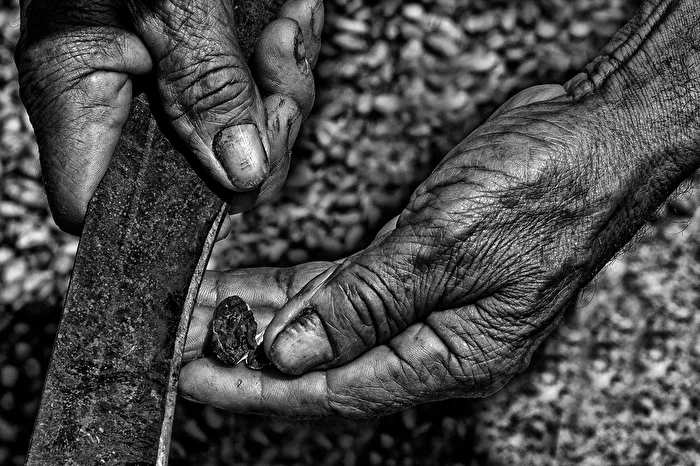
- Seek out subjects with strong textures – weathered hands, aged facades, or fabrics. Without color, surfaces suddenly tell stories.
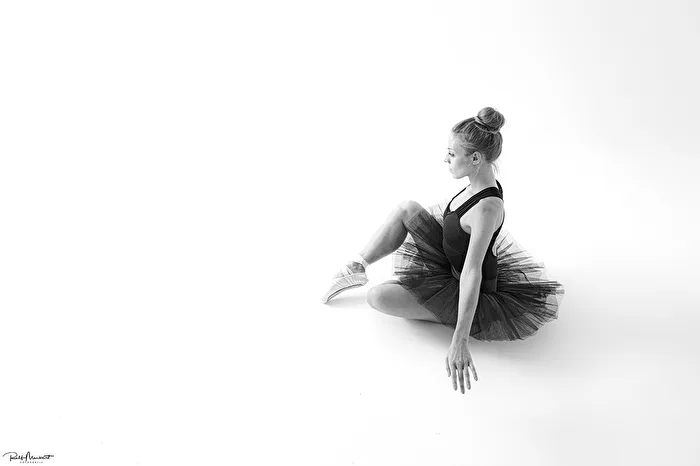
- Work with minimalist compositions. A single object against a calm background can say more than a cluttered scene.
- Use negative space intentionally to highlight your main subject and bring calmness to the image.
- Experiment with silhouettes against backlight – reduce your subject to its shape and let details fade away.
- Think in emotions rather than subjects: solitude, calm, strength – try to make a feeling visible.
Technical Inspiration
A great fine-art image often starts in-camera. With a few targeted settings, you can achieve a lot:
- Shoot in RAW format to retain maximum control over dynamic range and tonal values.
- Use a low ISO to avoid noise and preserve fine details.
- Work with a wide aperture (e.g., f/1.8) to isolate your subject and create soft background blur (bokeh).
- Apply spot metering to precisely expose your main subject.
- Deliberately underexpose (Exposure Compensation -1 to -2 EV) to enhance dramatic shadows and contrast.
Post-Processing Inspiration
The magic of Fine-Art Black & White Photography often unfolds on the screen. Here you can add the finishing touches:
- Use black & white conversion selectively through color channels to control contrast between different areas.
- Employ dodge & burn techniques to guide light and add depth.
- Increase local contrast (clarity/microcontrast) to emphasize textures.
- Add subtle grain to give your image a classic, analog feel.
- Play with vignetting to gently direct the viewer’s eye to your main subject.
Let’s Get Started
You might already sense it: Fine-Art Black & White Photography is less about gear and more about attitude. You now have tools, ideas, and gentle nudges – but in the end, it’s your vision that counts. Take your time, go outside or stay deliberately indoors, and rediscover subjects anew. And if a photo doesn’t come out perfect right away: perfect. That’s exactly where growth begins. These tips are suggestions, not rules. Great photos often happen when you kindly ignore them. Now: camera in hand, a quiet moment – and a subtle smile is all you need.
This photo contest was proposed by Eric Dittmann.