

Stefan Wirtz
Photos
shared a Photo.
23.10.2026, 21:29

Stefan Wirtz
Photos
shared a Photo.
31.08.2026, 21:47

Lufthansa
Airbus A 340 - 642 Kennung D - AIHV
auf dem Taxway zur Runway 08L/26R am Flughafen München
Für mich ist bzw. war der A 340 - 600 eine der elegantesten Flugzeuge, lang, schlank, elegant. Doch Vierstrahler verschwinden mehr und mehr, da sie unwirtschaftlich geworden sind. Der A 350 von Airbus löst …Airbus A 340 - 642 Kennung D - AIHV
auf dem Taxway zur Runway 08L/26R am Flughafen München
Für mich ist bzw. war der A 340 - 600 eine der elegantesten Flugzeuge, lang, schlank, elegant. Doch Vierstrahler verschwinden mehr und mehr, da sie unwirtschaftlich geworden sind. Der A 350 von Airbus löst den A 330 sowie den A 340 immer mehr ab. more Less
auf dem Taxway zur Runway 08L/26R am Flughafen München
Für mich ist bzw. war der A 340 - 600 eine der elegantesten Flugzeuge, lang, schlank, elegant. Doch Vierstrahler verschwinden mehr und mehr, da sie unwirtschaftlich geworden sind. Der A 350 von Airbus löst …Airbus A 340 - 642 Kennung D - AIHV
auf dem Taxway zur Runway 08L/26R am Flughafen München
Für mich ist bzw. war der A 340 - 600 eine der elegantesten Flugzeuge, lang, schlank, elegant. Doch Vierstrahler verschwinden mehr und mehr, da sie unwirtschaftlich geworden sind. Der A 350 von Airbus löst den A 330 sowie den A 340 immer mehr ab. more Less
Stefan Wirtz
Photos
shared a Photo.
24.08.2026, 21:59

Stefan Wirtz
Photos
shared a Photo.
21.08.2026, 18:44
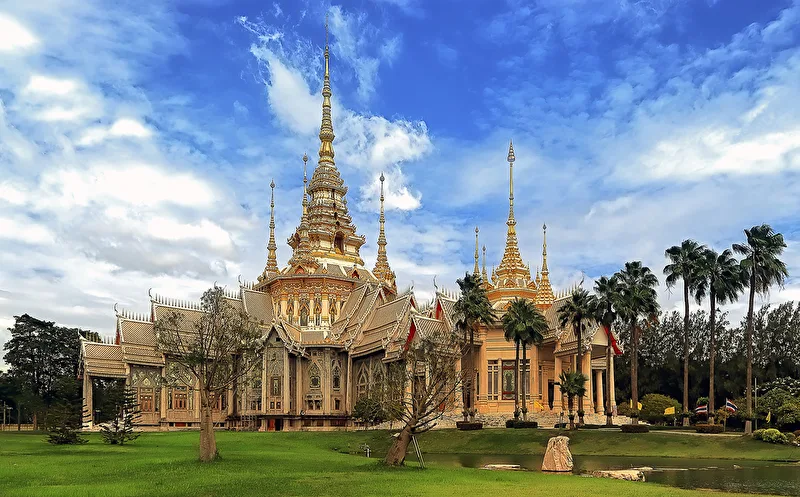
Wat Non Kum
In der Provinz Nakhon Ratchasima.
Von außen ein sehenswerter Tempel, innen - na ja (nüchternes grau, im Zentrum eine große, goldene Buddhafigur).
Die Außenanlage ist sehr schön und gepflegt.
Von außen ein sehenswerter Tempel, innen - na ja (nüchternes grau, im Zentrum eine große, goldene Buddhafigur).
Die Außenanlage ist sehr schön und gepflegt.
Stefan Wirtz
Photos
shared a Photo.
20.08.2026, 17:05

Stefan Wirtz
Photos
shared a Photo.
27.07.2026, 20:19
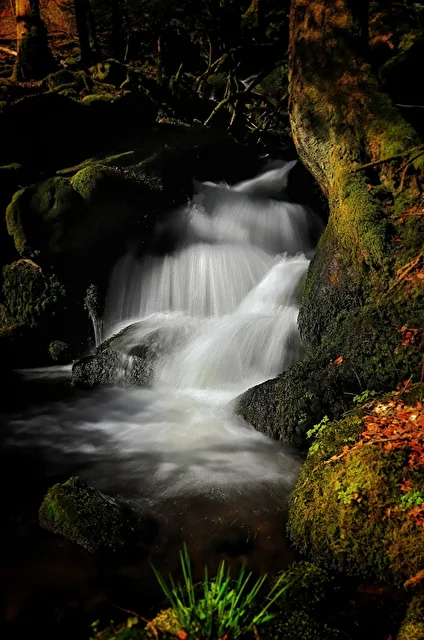
At the Zweribach Waterfall
The Zweribach Waterfall is located in the High Black Forest. It plunges into the Simonswald Valley and flows there into the Wilde Gutach.
At the Zweribach Waterfall
The Zweribach Waterfall is located in the High Black Forest. It plunges into the Simonswald Valley and flows there into the Wilde Gutach.
Beim Zweribach Wasserfall
Der Zweribach Wasserfall befindet sich im Hochschwarzwald. Er stürzt ins Simonswälder Tal und mündet dort in die Wilde Gutach.
Stefan Wirtz
Photos
shared a Photo.
23.07.2026, 21:43
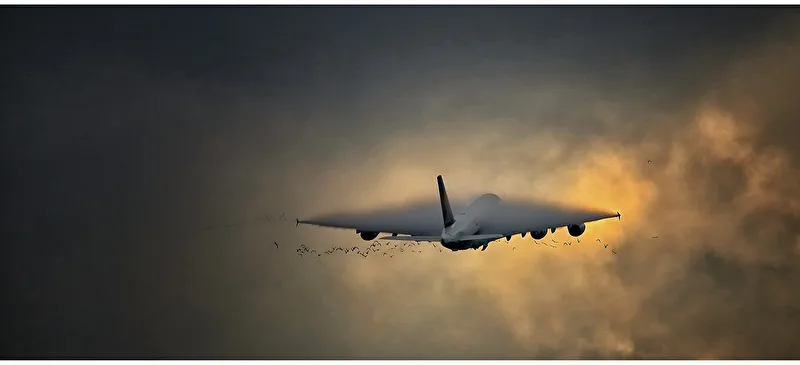
Flight accompaniment
An A 380 of Singapore Airlines with accompaniment at Zurich Airport. It is a flock of ravens. The distance to the airplane was large enough, otherwise it would have had to be absolute giant ravens in size comparison to the airplane.
Flight accompaniment
An A 380 of Singapore Airlines with accompaniment at Zurich Airport. It is a flock of ravens. The distance to the airplane was large enough, otherwise it would have had to be absolute giant ravens in size comparison to the airplane.
Flugbegleitung
Ein A 380 der Singapore Airlines mit Begleitung am Flughafen Zürich. Es handelt sich um eine Schar Kolkraben. Der Abstand zum Flugzeug war groß genug, ansonsten hätte es sich um absolute Riesenraben handeln müssen im Größenvergleich zum Flugzeug.
Stefan Wirtz
Photos
shared a Photo.
20.07.2026, 21:33

Stefan Wirtz
Photos
shared a Photo.
12.07.2026, 14:49
Stefan Wirtz
Photos
shared a Photo.
10.07.2026, 20:54
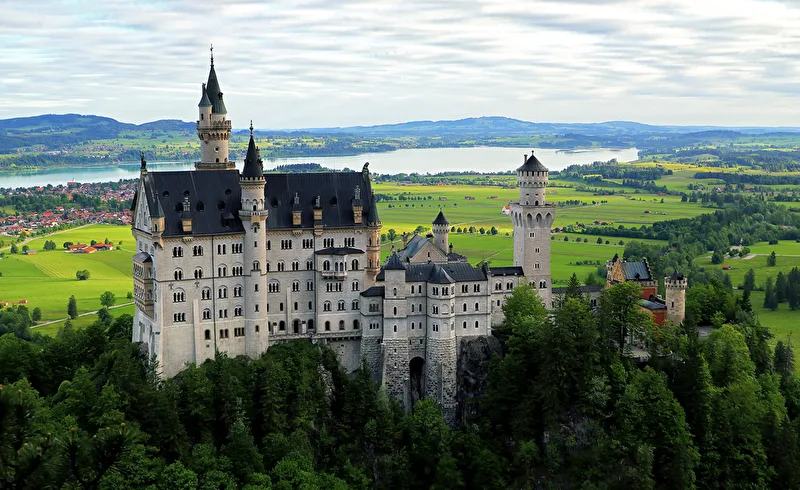
Fairy tale castle
Neuschwanstein
Wahrscheinlich das berühmteste Schloß in Deutschland.
Leider touristisch total überlaufen. Es sei denn, man ist um 6 Uhr morgens dort....
Wahrscheinlich das berühmteste Schloß in Deutschland.
Leider touristisch total überlaufen. Es sei denn, man ist um 6 Uhr morgens dort....
Fairy tale castle
Neuschwanstein
Wahrscheinlich das berühmteste Schloß in Deutschland.
Leider touristisch total überlaufen. Es sei denn, man ist um 6 Uhr morgens dort....
Wahrscheinlich das berühmteste Schloß in Deutschland.
Leider touristisch total überlaufen. Es sei denn, man ist um 6 Uhr morgens dort....
Märchenschloß
Neuschwanstein
Wahrscheinlich das berühmteste Schloß in Deutschland.
Leider touristisch total überlaufen. Es sei denn, man ist um 6 Uhr morgens dort....
Wahrscheinlich das berühmteste Schloß in Deutschland.
Leider touristisch total überlaufen. Es sei denn, man ist um 6 Uhr morgens dort....