



Info
| Views | 1443 |
| Comments | 2 |
| Published | 15.02.2021, 14:59 15.02.2021 |
| License | BY-NC-ND |
| Photo ID | [pc-foto:18472] |


| Views | 1443 |
| Comments | 2 |
| Published | 15.02.2021, 14:59 15.02.2021 |
| License | BY-NC-ND |
| Photo ID | [pc-foto:18472] |
Depth of FieldDepth of FieldSchärfentiefe
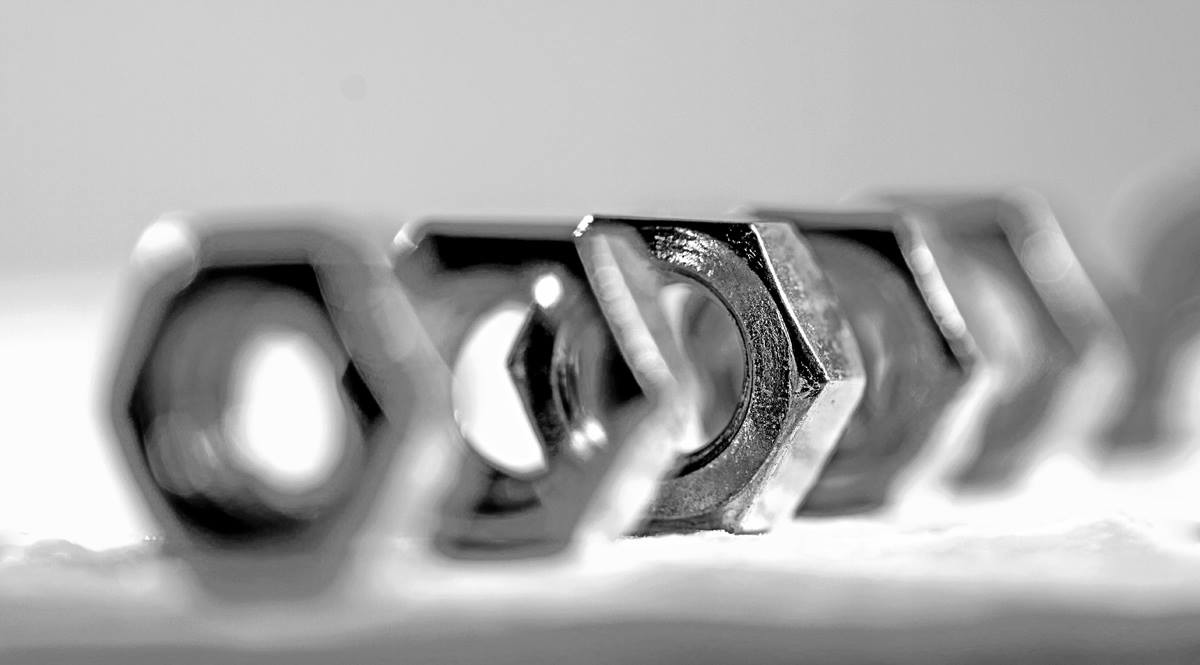
Depth of field (often synonymously referred to as depth of focus) is a measure of the extent of the sharp area in the object space of an imaging optical system. The term plays a central role in photography and describes the size of the distance range within which an object is sufficiently sharply depicted. Generally, a large depth of field is achieved through small apertures or lenses with short focal lengths: everything from front to back then appears more or less sharp. The opposite is the so-called "film look," where the depth of field is small (shallow): the camera renders the central figure sharply, possibly only the eye of a person, while everything in front of and behind them appears blurred. Depth in depth of field refers to the depth of space, i.e., the direction away from the optics.Depth of field is influenced not only by the choice of focal length but also by the aperture size: the larger the aperture...Depth of field (often synonymously referred to as depth of focus) is a measure of the extent of the sharp area in the object space of an imaging optical system. The term plays a central role in photography and describes the size of the distance range within which an object is sufficiently sharply depicted. Generally, a large depth of field is achieved through small apertures or lenses with short focal lengths: everything from front to back then appears more or less sharp. The opposite is the so-called "film look," where the depth of field is small (shallow): the camera renders the central figure sharply, possibly only the eye of a person, while everything in front of and behind them appears blurred. Depth in depth of field refers to the depth of space, i.e., the direction away from the optics.
Depth of field is influenced not only by the choice of focal length but also by the aperture size: the larger the aperture...Die Schärfentiefe (häufig synonym auch Tiefenschärfe[1]) ist ein Maß für die Ausdehnung des scharfen Bereichs im Objektraum eines abbildenden optischen Systems. Der Begriff spielt in der Fotografie eine zentrale Rolle und beschreibt die Größe des Entfernungsbereichs, innerhalb dessen ein Objekt hinlänglich scharf abgebildet wird. In der Regel wird eine große Schärfentiefe durch kleine Blendenöffnungen oder Objektive mit kurzen Brennweiten erreicht: Von vorn bis hinten sieht dann alles mehr oder weniger scharf aus. Das Gegenteil ist der sogenannte „Film-Look“, bei dem der Bereich der Schärfentiefe klein ist (englisch: shallow): Die Kamera zeichnet die zentrale Figur scharf, eventuell nur das Auge einer Person,[2] während alles vor und hinter ihr unscharf erscheint. Tief bedeutet bei Schärfentiefe die Tiefe des Raums, also die Richtung weg von der Optik.
Die Schärfentiefe wird außer durch die Wahl der Brennweite auch durch die Blendenöffnung beeinflusst: je größer die Blendenöffnung (