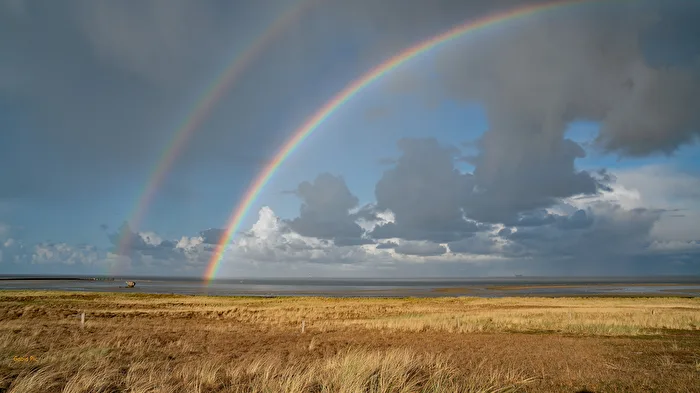
Natural Wonders
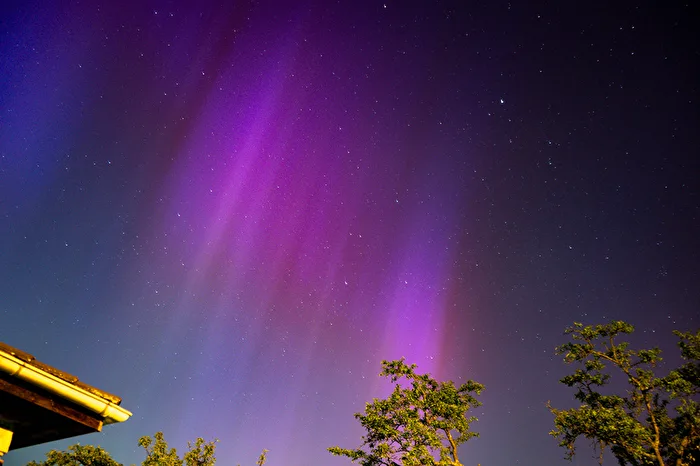
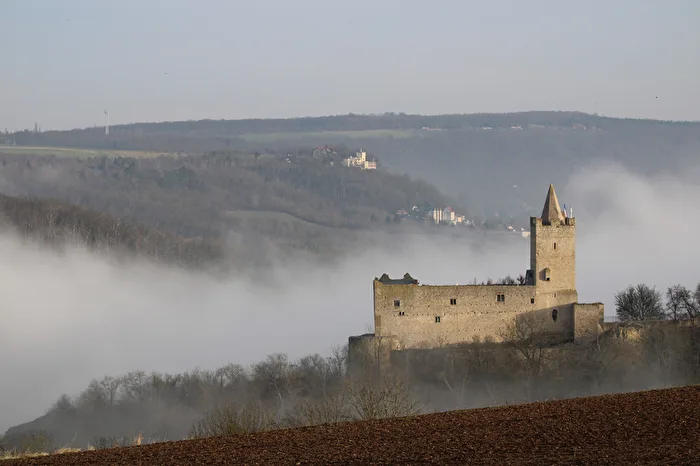
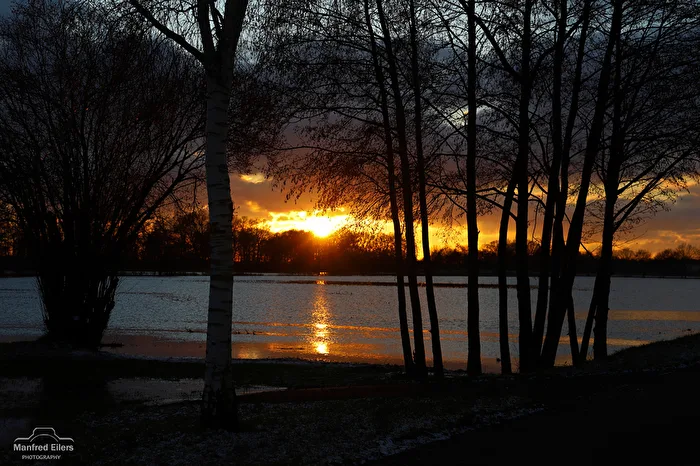
Experience the indescribable – this month’s spotlight is on the theme “Natural Spectacle”. Capture with your camera how nature reveals its beauty in a single quiet moment. “Nature is the art of patience,” Ralph Waldo Emerson once said. Are you ready to patiently and curiously seize the perfect moment?
The Challenge: Natural Spectacle
Capturing a natural spectacle can be challenging, but it’s also a fantastic opportunity to document the magnificent diversity of nature. The difficulty often lies in the unpredictability and rapid changes of the scenes. A high-quality DSLR (Digital Single-Lens Reflex) or a mirrorless camera can be a great advantage here, but even a good smartphone can deliver surprisingly strong results nowadays.
Creative Inspiration
Let’s explore some creative ways to interpret the theme of Natural Spectacle through photography:
- The Magic of Golden Light: Try shooting during the golden hour when the light is especially soft and warm, bathing the landscape in a golden glow.
- Symmetry in Nature: Look for natural symmetries and patterns that captivate the viewer’s eye.
- The Contrast of Motion and Stillness: Use an ND filter (Neutral Density filter) to render flowing water soft in daylight while keeping the surrounding rocks sharp.
- Change Your Perspective: Climb a hill or lie down on the ground to gain a completely new perspective on nature.
- Reflections: After rain, use puddles or lakes to create interesting reflections and double exposures.
Technical Inspiration
Here are some technical tips to help you get the most out of your natural spectacle photos:
- Use Long Exposure: With long exposure, you can dramatically soften moving natural scenes like waterfalls or clouds.
- Avoid High ISO: To minimize image noise, try to keep your ISO setting as low as possible, especially in darker scenes.
- Aperture Priority (Av): Use aperture priority mode to control depth of field and ensure important details stay in focus.
- Choose the Right White Balance: Set white balance manually to reproduce nature’s colors as realistically as possible.
- RAW Format: Shoot in RAW format to have more flexibility during post-processing.
Post-Processing Inspiration
Now that you’ve captured fantastic photos, it’s time to perfect them with some post-processing techniques:
- Expand Dynamic Range: Use HDR (High Dynamic Range) techniques to extend your photos’ dynamic range, preserving details in both bright and dark areas.
- Color Correction: Experiment with saturation and brightness sliders to make your images’ colors pop.
- Sharpening: Use sharpening tools carefully to highlight details without making the image look unnatural.
- Add Vignetting: A subtle vignette can help draw focus to the center of the image.
- Creative Filters: Try creative filters to give your images a unique look that emphasizes the mood of the natural spectacle.
Let’s Get Started
You’re now fully prepared to capture the wonders of nature through your lens. Remember, every shot tells a story and your perspective is unique. Use this photo contest to showcase your skills and learn from others. So, camera ready, subject found, and let the photography adventure begin! Smile, because every click of the shutter is a step forward on your creative journey.