Frank Schilling
Photos
shared a Photo.
17.06.2026, 19:32

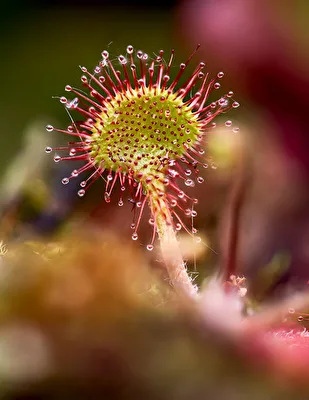
round-leaved sundew
Fangblatt des rundblättrigen Sonnentaus (Drosera rotundifolia), einer kleinen fleischfressenden Pflanze, die in unseren heimischen Mooren zu Hause ist und unter strengem Schutz steht.
(Stack aus 35 Aufnahmen)
(Stack aus 35 Aufnahmen)
round-leaved sundew
Fangblatt des rundblättrigen Sonnentaus (Drosera rotundifolia), einer kleinen fleischfressenden Pflanze, die in unseren heimischen Mooren zu Hause ist und unter strengem Schutz steht.
(Stack aus 35 Aufnahmen)
(Stack aus 35 Aufnahmen)
rundblättriger Sonnentau
Fangblatt des rundblättrigen Sonnentaus (Drosera rotundifolia), einer kleinen fleischfressenden Pflanze, die in unseren heimischen Mooren zu Hause ist und unter strengem Schutz steht.
(Stack aus 35 Aufnahmen)
(Stack aus 35 Aufnahmen)
Frank Schilling
Photos
shared a Photo.
27.03.2026, 13:15
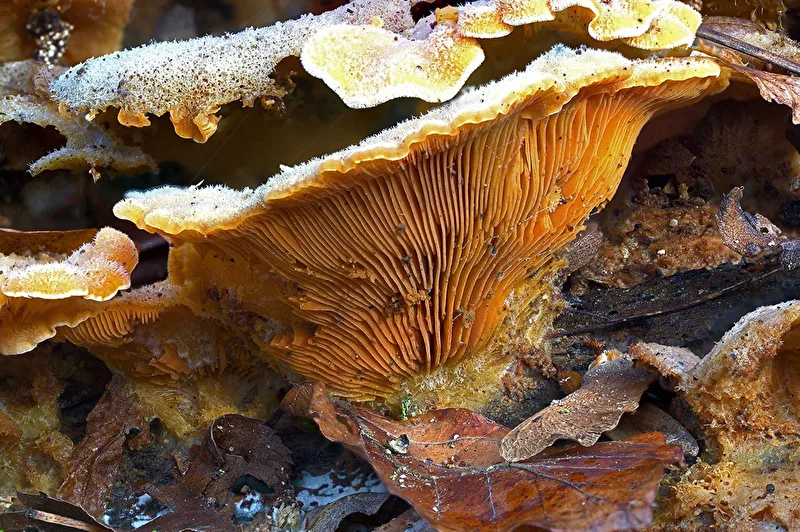
Orange Oyster Mushroom
Der Orangenseitling wächst an morschem Nadel- oder Laubholz, an Baumstümpfen oder Ästen. Er sitzt meist direkt am Holz oder besitzt einen kurzen Stiel. Die Lamellen sind (leuchtend) orangefarbig, die Hutoberseite geht im Alter ins weißliche über.
Der Pilz ist ungenießbar und riecht ziemlich muffig.
Der Pilz ist ungenießbar und riecht ziemlich muffig.
Orange Oyster Mushroom
Der Orangenseitling wächst an morschem Nadel- oder Laubholz, an Baumstümpfen oder Ästen. Er sitzt meist direkt am Holz oder besitzt einen kurzen Stiel. Die Lamellen sind (leuchtend) orangefarbig, die Hutoberseite geht im Alter ins weißliche über.
Der Pilz ist ungenießbar und riecht ziemlich muffig.
Der Pilz ist ungenießbar und riecht ziemlich muffig.
Orangenseitling
Der Orangenseitling wächst an morschem Nadel- oder Laubholz, an Baumstümpfen oder Ästen. Er sitzt meist direkt am Holz oder besitzt einen kurzen Stiel. Die Lamellen sind (leuchtend) orangefarbig, die Hutoberseite geht im Alter ins weißliche über.
Der Pilz ist ungenießbar und riecht ziemlich muffig.
Der Pilz ist ungenießbar und riecht ziemlich muffig.
Frank Schilling
Photos
shared a Photo.
26.03.2026, 11:23

Frank Schilling
Photos
shared a Photo.
21.01.2026, 11:41

Frank Schilling
Photos
shared a Photo.
18.01.2026, 19:14

Frank Schilling
Photos
shared a Photo.
19.12.2024, 15:01

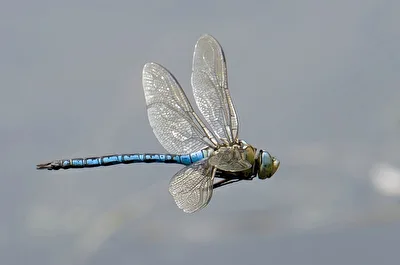
Emperor Dragonfly
The emperor dragonfly (Anax imperator) is common and can be found near almost all bodies of water. It is quite undemanding and inhabits sunny ponds, pools, and slow-flowing, vegetated shore areas of flowing waters.
Emperor Dragonfly
The emperor dragonfly (Anax imperator) is common and can be found near almost all bodies of water. It is quite undemanding and inhabits sunny ponds, pools, and slow-flowing, vegetated shore areas of flowing waters.
Königslibelle
Die Königslibelle (Anax imperator) ist häufig und nahezu an allen Gewässern zu finden. Sie ist ziemlich anspruchslos und besiedelt besonnte Teiche, Tümpel und strömungsarme, bewachsene Uferbereiche von Fließgewässern.
Frank Schilling
Photos
shared a Photo.
18.12.2024, 14:33

Frank Schilling
Photos
shared a Photo.
12.12.2024, 19:11
Frank Schilling
Photos
shared a Photo.
24.10.2024, 19:01

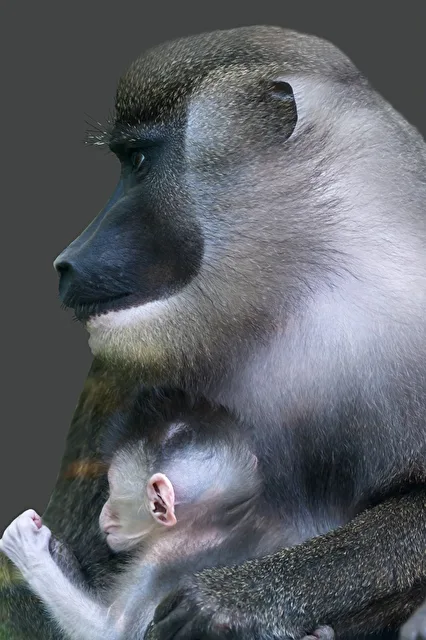
Bonobo
Alongside chimpanzees, bonobos are the closest relatives to humans and are considered particularly peaceful. Their genetic makeup differs from ours by only 1.3 percent. The world's only natural habitat for bonobos is in a remote area of the Democratic Republic of Congo. They live there in large groups of up to 80 animals, which repeatedly split into several smaller groups.
Bonobo
Alongside chimpanzees, bonobos are the closest relatives to humans and are considered particularly peaceful. Their genetic makeup differs from ours by only 1.3 percent. The world's only natural habitat for bonobos is in a remote area of the Democratic Republic of Congo. They live there in large groups of up to 80 animals, which repeatedly split into several smaller groups.
Bonobo
Neben den Schimpansen sind Bonobos die engsten Verwandten des Menschen und gelten als besonders friedlich. Ihr Erbgut unterscheidet sich in nur 1,3 Prozent von unserem. Der weltweit einzige, natürliche Lebensraum der Bonobos liegt in einem schwer zugänglichen Gebiet in der Demokratischen Republik Kongo. Sie leben dort in großen Gruppen von bis zu 80 Tieren, die sich immer wieder in mehrere kleinere Gruppen aufteilen.