For dust you are, and to dust you shall returnFor dust you are, and to dust you shall returnDenn Staub bist du, und zum Staub kehrst du zurück
They stood side by side, lined up in a silent ritual. No beginning, no end was clearly visible, only one direction. Where the gaze was clear and the skin still intact, life began in all its weight. Thoughts, memories, hopes clung to the figure like shadows in the morning light.
But with each step to the left, the weight lessened. The contours lost their sharpness, the skin its firmness. What had just been a body became grain, became dust. Not abruptly, not cruelly – but inevitably. As if time itself quietly laid its hand on it and took piece by piece what it had once lent.
No one resisted. For deep within every figure lay the knowledge that needs no words: transience is not a flaw of existence, but its condition. Everything that takes form already carries the moment of its decay within itself. Not as a threat, but as truth.
The dust did not fall to the ground meaninglessly. It mingled with the light, with the air, with everything that was yet to come. What disappeared did not cease to be – it only ceased to be separate. Memories became echoes, bodies became matter, life became part of a larger cycle.
And in the end, no terror remained, but silence. A silence that was not empty, but full of meaning. For humans cannot escape transience – but they can face it. With dignity. With awareness. And with the quiet realization that even in dust, there is still history.They stood side by side, lined up in a silent ritual. No beginning, no end was clearly visible, only one direction. Where the gaze was clear and the skin still intact, life began in all its weight. Thoughts, memories, hopes clung to the figure like shadows in the morning light.
But with each step to the left, the weight lessened. The contours lost their sharpness, the skin its firmness. What had just been a body became grain, became dust. Not abruptly, not cruelly – but inevitably. As if time itself quietly laid its hand on it and took piece by piece what it had once lent.
No one resisted. For deep within every figure lay the knowledge that needs no words: transience is not a flaw of existence, but its condition. Everything that takes form already carries the moment of its decay within itself. Not as a threat, but as truth.
The dust did not fall to the ground meaninglessly. It mingled with the light, with the air, with everything that was yet to come. What disappeared did not cease to be – it only ceased to be separate. Memories became echoes, bodies became matter, life became part of a larger cycle.
And in the end, no terror remained, but silence. A silence that was not empty, but full of meaning. For humans cannot escape transience – but they can face it. With dignity. With awareness. And with the quiet realization that even in dust, there is still history.Sie standen nebeneinander, wie aufgereiht in einem stillen Ritual. Kein Anfang, kein Ende war klar zu erkennen, nur eine Richtung. Dort, wo der Blick klar war und die Haut noch geschlossen, begann das Leben in seiner ganzen Schwere. Gedanken, Erinnerungen, Hoffnungen hafteten an der Gestalt wie Schatten im Morgenlicht.
Doch mit jedem Schritt nach links wurde das Gewicht geringer. Die Konturen verloren ihre Schärfe, die Haut ihre Festigkeit. Was eben noch Körper war, wurde Körnung, wurde Staub. Nicht abrupt, nicht grausam – sondern unausweichlich. Als hätte die Zeit selbst leise ihre Hand aufgelegt und Stück für Stück genommen, was sie einst geliehen hatte.
Niemand widersetzte sich. Denn tief in jeder Gestalt lag das Wissen, das kein Wort braucht: Vergänglichkeit ist kein Fehler der Existenz, sondern ihre Bedingung. Alles, was Form annimmt, trägt den Moment seines Zerfalls bereits in sich. Nicht als Drohung, sondern als Wahrheit.
Der Staub fiel nicht sinnlos zu Boden. Er vermischte sich mit dem Licht, mit der Luft, mit allem, was noch kommen würde. Was verschwand, hörte nicht auf zu sein – es hörte nur auf, getrennt zu sein. Erinnerungen wurden zu Echo, Körper zu Materie, Leben zu Teil eines größeren Kreislaufs.
Und so blieb am Ende kein Schrecken zurück, sondern Stille. Eine Stille, die nicht leer war, sondern voll von Bedeutung. Denn der Mensch kann der Vergänglichkeit nicht entrinnen – aber er kann ihr begegnen. Mit Würde. Mit Bewusstsein. Und mit der leisen Erkenntnis, dass selbst im Staub noch Geschichte liegt.




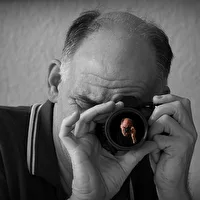
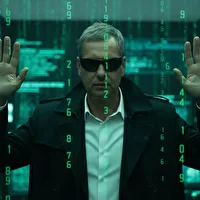




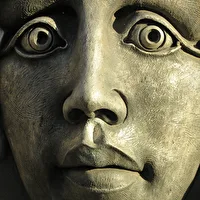
For dust you are, and to dust you shall returnFor dust you are, and to dust you shall returnDenn Staub bist du, und zum Staub kehrst du zurück
They stood side by side, lined up in a silent ritual. No beginning, no end was clearly visible, only one direction. Where the gaze was clear and the skin still intact, life began in all its weight. Thoughts, memories, hopes clung to the figure like shadows in the morning light.But with each step to the left, the weight lessened. The contours lost their sharpness, the skin its firmness. What had just been a body became grain, became dust. Not abruptly, not cruelly – but inevitably. As if time itself quietly laid its hand on it and took piece by piece what it had once lent.
No one resisted. For deep within every figure lay the knowledge that needs no words: transience is not a flaw of existence, but its condition. Everything that takes form already carries the moment of its decay within itself. Not as a threat, but as truth.
The dust did not fall to the ground meaninglessly. It mingled with the light, with the air, with everything that was yet to come. What disappeared did not cease to be – it only ceased to be separate. Memories became echoes, bodies became matter, life became part of a larger cycle.
And in the end, no terror remained, but silence. A silence that was not empty, but full of meaning. For humans cannot escape transience – but they can face it. With dignity. With awareness. And with the quiet realization that even in dust, there is still history.They stood side by side, lined up in a silent ritual. No beginning, no end was clearly visible, only one direction. Where the gaze was clear and the skin still intact, life began in all its weight. Thoughts, memories, hopes clung to the figure like shadows in the morning light.
But with each step to the left, the weight lessened. The contours lost their sharpness, the skin its firmness. What had just been a body became grain, became dust. Not abruptly, not cruelly – but inevitably. As if time itself quietly laid its hand on it and took piece by piece what it had once lent.
No one resisted. For deep within every figure lay the knowledge that needs no words: transience is not a flaw of existence, but its condition. Everything that takes form already carries the moment of its decay within itself. Not as a threat, but as truth.
The dust did not fall to the ground meaninglessly. It mingled with the light, with the air, with everything that was yet to come. What disappeared did not cease to be – it only ceased to be separate. Memories became echoes, bodies became matter, life became part of a larger cycle.
And in the end, no terror remained, but silence. A silence that was not empty, but full of meaning. For humans cannot escape transience – but they can face it. With dignity. With awareness. And with the quiet realization that even in dust, there is still history.Sie standen nebeneinander, wie aufgereiht in einem stillen Ritual. Kein Anfang, kein Ende war klar zu erkennen, nur eine Richtung. Dort, wo der Blick klar war und die Haut noch geschlossen, begann das Leben in seiner ganzen Schwere. Gedanken, Erinnerungen, Hoffnungen hafteten an der Gestalt wie Schatten im Morgenlicht.
Doch mit jedem Schritt nach links wurde das Gewicht geringer. Die Konturen verloren ihre Schärfe, die Haut ihre Festigkeit. Was eben noch Körper war, wurde Körnung, wurde Staub. Nicht abrupt, nicht grausam – sondern unausweichlich. Als hätte die Zeit selbst leise ihre Hand aufgelegt und Stück für Stück genommen, was sie einst geliehen hatte.
Niemand widersetzte sich. Denn tief in jeder Gestalt lag das Wissen, das kein Wort braucht: Vergänglichkeit ist kein Fehler der Existenz, sondern ihre Bedingung. Alles, was Form annimmt, trägt den Moment seines Zerfalls bereits in sich. Nicht als Drohung, sondern als Wahrheit.
Der Staub fiel nicht sinnlos zu Boden. Er vermischte sich mit dem Licht, mit der Luft, mit allem, was noch kommen würde. Was verschwand, hörte nicht auf zu sein – es hörte nur auf, getrennt zu sein. Erinnerungen wurden zu Echo, Körper zu Materie, Leben zu Teil eines größeren Kreislaufs.
Und so blieb am Ende kein Schrecken zurück, sondern Stille. Eine Stille, die nicht leer war, sondern voll von Bedeutung. Denn der Mensch kann der Vergänglichkeit nicht entrinnen – aber er kann ihr begegnen. Mit Würde. Mit Bewusstsein. Und mit der leisen Erkenntnis, dass selbst im Staub noch Geschichte liegt.