The lupine is known to most as an ornamental plant in gardens and as a green manure crop in agriculture.
There are probably up to 300 species of lupines, most of them in North America, but the most important ones come from the Mediterranean region.
The best-known varieties are the blue Lupinus angustifolius, the white Lupinus albus, and the yellow Lupinus luteus.
The seeds are used. The old varieties are toxic, but the new cultivars contain hardly any toxins, as they have been bred for food and feed purposes.The lupine is known to most as an ornamental plant in gardens and as a green manure crop in agriculture.
There are probably up to 300 species of lupines, most of them in North America, but the most important ones come from the Mediterranean region.
The best-known varieties are the blue Lupinus angustifolius, the white Lupinus albus, and the yellow Lupinus luteus.
The seeds are used. The old varieties are toxic, but the new cultivars contain hardly any toxins, as they have been bred for food and feed purposes.Die Lupine ist den meisten im Garten als Zierpflanze und in der Landwirtschaft als Gründüngepflanze bekannt.
Von den Lupinen gibt es vermutlich bis zu 300 Arten, die meisten in Nordamerika, die wichtigsten jedoch aus dem Mittelmeergebiet.
Die bekanntesten Sorten sind die blaue Lupinus angustifolius, die weiße Lupinus albus und die gelbe Lupinus luteus.
Benutzt werden die Samen. Die alten Sorten sind giftig und die Neuzüchtungen enthalten kaum noch Gifte, da letztere als Nahrungs- und Futtermittel gezüchtet worden sind.
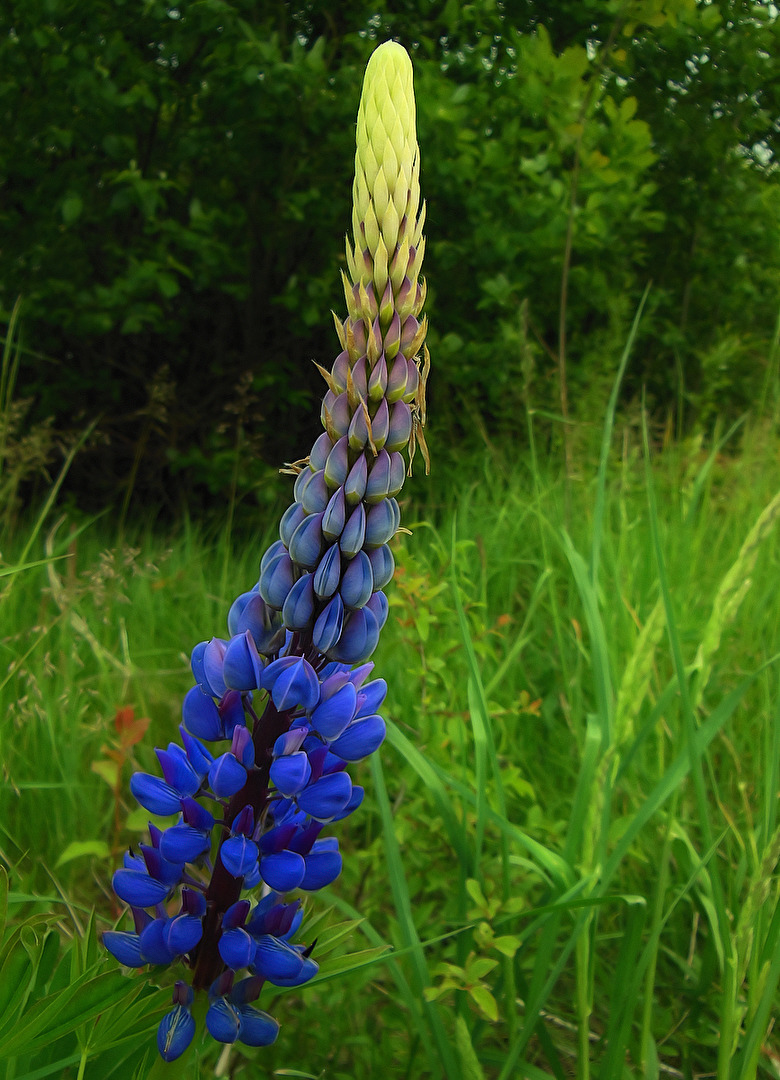



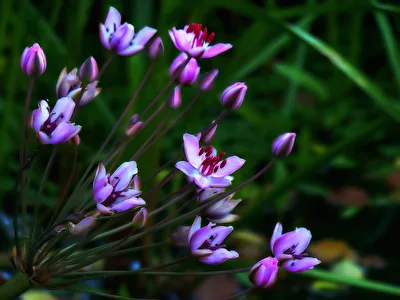





Lupine
The lupine is known to most as an ornamental plant in gardens and as a green manure crop in agriculture.There are probably up to 300 species of lupines, most of them in North America, but the most important ones come from the Mediterranean region.
The best-known varieties are the blue Lupinus angustifolius, the white Lupinus albus, and the yellow Lupinus luteus.
The seeds are used. The old varieties are toxic, but the new cultivars contain hardly any toxins, as they have been bred for food and feed purposes.The lupine is known to most as an ornamental plant in gardens and as a green manure crop in agriculture.
There are probably up to 300 species of lupines, most of them in North America, but the most important ones come from the Mediterranean region.
The best-known varieties are the blue Lupinus angustifolius, the white Lupinus albus, and the yellow Lupinus luteus.
The seeds are used. The old varieties are toxic, but the new cultivars contain hardly any toxins, as they have been bred for food and feed purposes.Die Lupine ist den meisten im Garten als Zierpflanze und in der Landwirtschaft als Gründüngepflanze bekannt.
Von den Lupinen gibt es vermutlich bis zu 300 Arten, die meisten in Nordamerika, die wichtigsten jedoch aus dem Mittelmeergebiet.
Die bekanntesten Sorten sind die blaue Lupinus angustifolius, die weiße Lupinus albus und die gelbe Lupinus luteus.
Benutzt werden die Samen. Die alten Sorten sind giftig und die Neuzüchtungen enthalten kaum noch Gifte, da letztere als Nahrungs- und Futtermittel gezüchtet worden sind.