Taken at the Eider Barrage near Tönning in North Frisia.
The seabird colony at the Eider Barrage is one of the most fascinating natural spectacles on the Schleswig-Holstein North Sea coast. Every year between April and August, nearly 5,000 birds breed here on the outer piers and directly on the structure. Black-headed gulls and terns make up the largest part of the colony.Taken at the Eider Barrage near Tönning in North Frisia.
The seabird colony at the Eider Barrage is one of the most fascinating natural spectacles on the Schleswig-Holstein North Sea coast. Every year between April and August, nearly 5,000 birds breed here on the outer piers and directly on the structure. Black-headed gulls and terns make up the largest part of the colony.Aufgenommen am Eiderspeerwerk bei Tönning in Nordfriesland.
Die Seevogelkolonie am Eidersperrwerk gehört zu den faszinierendsten Naturschauspielen an der schleswig-holsteinischen Nordseeküste. Jedes Jahr zwischen April und August brüten hier auf den vorgelagerten Molen und direkt am Bauwerk fast 5.000 Vögel. Lachmöwen und Seeschwalben bilden den zahlenmäßig größten Teil der Kolonie.


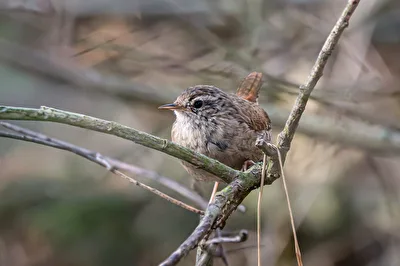

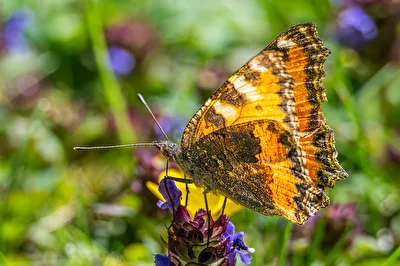





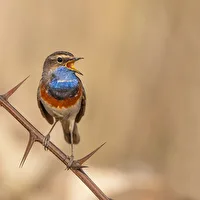






Arctic TernArctic TernKüstenseeschwalbe
Taken at the Eider Barrage near Tönning in North Frisia.The seabird colony at the Eider Barrage is one of the most fascinating natural spectacles on the Schleswig-Holstein North Sea coast. Every year between April and August, nearly 5,000 birds breed here on the outer piers and directly on the structure. Black-headed gulls and terns make up the largest part of the colony.Taken at the Eider Barrage near Tönning in North Frisia.
The seabird colony at the Eider Barrage is one of the most fascinating natural spectacles on the Schleswig-Holstein North Sea coast. Every year between April and August, nearly 5,000 birds breed here on the outer piers and directly on the structure. Black-headed gulls and terns make up the largest part of the colony.Aufgenommen am Eiderspeerwerk bei Tönning in Nordfriesland.
Die Seevogelkolonie am Eidersperrwerk gehört zu den faszinierendsten Naturschauspielen an der schleswig-holsteinischen Nordseeküste. Jedes Jahr zwischen April und August brüten hier auf den vorgelagerten Molen und direkt am Bauwerk fast 5.000 Vögel. Lachmöwen und Seeschwalben bilden den zahlenmäßig größten Teil der Kolonie.