Sky Spectacle
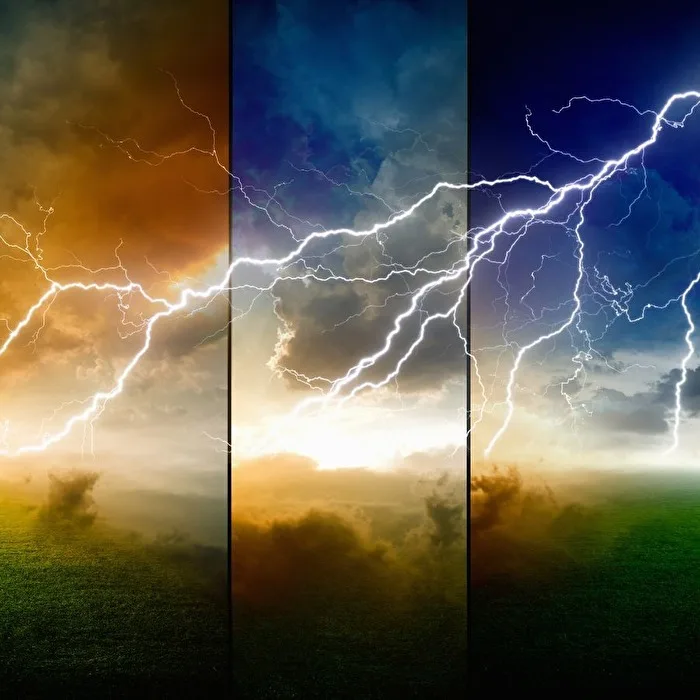
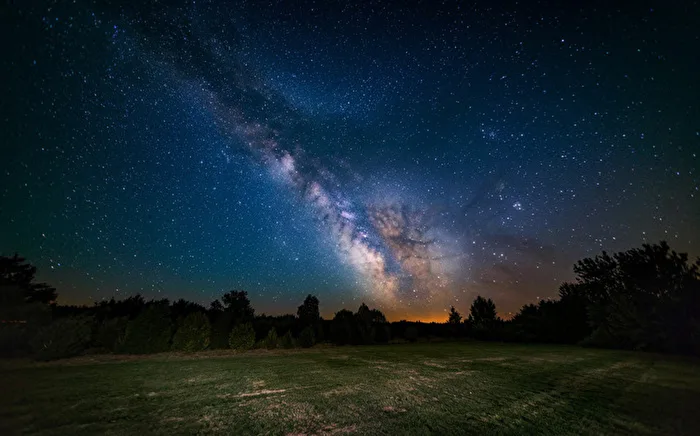
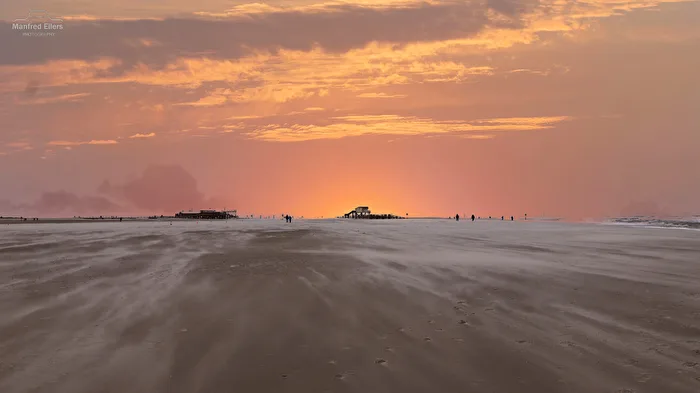
When the sky becomes the stage and sun, clouds, and atmosphere direct the show together, scenes emerge that you can’t plan but must recognize. That’s exactly what this photo contest is all about: seeing the sky not as a background, but as the main subject. Whether it’s dramatic cloud formations, gentle color gradients during the blue hour, or a sunset so stunning it borders on kitsch—if only it weren’t real. In short: The sky steals the spotlight—you just have to press the shutter at the right moment.
Sky Spectacles in Photography – A Challenge with a Joyful Twist
The challenge lies less in the gear and more in the vision. The light is constantly changing, contrasts are high, and dynamic range (DR) quickly becomes a test. But that’s exactly where the thrill is. A DSLR (Digital Single Lens Reflex) or mirrorless camera (DSLM) offers advantages with RAW files and exposure bracketing (HDR – High Dynamic Range), but a good smartphone impresses too with automatic HDR and remarkable color processing. The key isn’t the equipment, but your understanding of light, weather, and timing. Patience and sky-watching are your most important tools.
Creative Inspiration
The sky is never boring—you just have to listen to it. These ideas will help you consciously make the sky the star of your shot:
- Wait for breaks in the cloud cover where sunbeams burst through like spotlights—this creates natural drama.
- Use silhouettes of trees, rooftops, or mountains only as framing elements, not as the main focus.
- Shoot just before a weather change when the clouds build tension.
- Deliberately include plenty of negative space in your composition to amplify the sky’s impact.
- Work with series shots to capture subtle shifts in light and cloud shapes.
Technical Inspiration
Technology helps you capture the sky spectacle as you experience it—not as the camera’s auto mode guesses it:
- Expose for the brightest parts of the sky to avoid blown-out highlights.
- Use a low ISO to render smooth color gradients cleanly.
- Shoot at apertures around f/8–f/11 for maximum sharpness across the sky.
- Apply exposure compensation (EV) thoughtfully, especially during sunsets.
- A subtle polarizing filter can enhance cloud contrast—but use it sparingly.
Post-Processing Inspiration
At the computer, a good sky often becomes a striking sky spectacle—with a delicate touch:
- Gently pull back highlights to reveal texture in bright clouds.
- Use local adjustments instead of global contrast boosts.
- Enhance color temperature (white balance) selectively to emphasize mood.
- Apply graduated filters digitally to keep the sky calm and balanced.
- Reduce clarity slightly to soften harsh transitions in clouds.
Let’s Get Started
You now have plenty of inspiration to make the sky spectacle your true main subject. Take your time, look up, and enjoy the moment—whether with a camera or smartphone. All these tips are inspirations, not rules. Great photos don’t come from checklists, but from curiosity and joy in seeing. When you upload a photo today, you’re not just sharing an image—you’re capturing a moment no algorithm can plan. So get out there, lift your gaze, smile—the sky is waiting.