Hare "Master Lampe"Hare "Master Lampe"Hase "Meister Lampe"
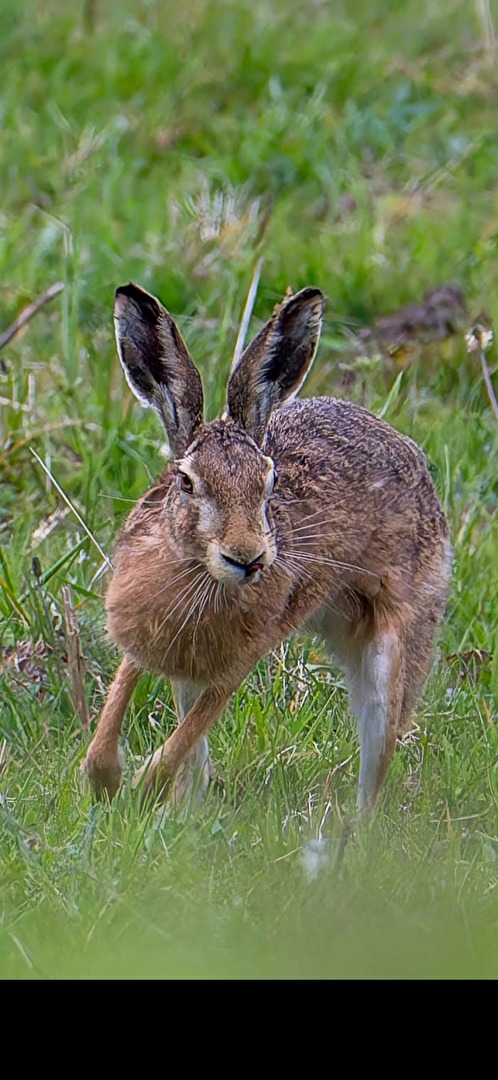
Master Lampe is a term for the hare in fables, fairy tales, and old German usage, often portrayed as talkative, timid, or cautious. The name derives from the Old High German first name "Lamprecht" and is often associated with the white fur on the tail (blume), which flashes when fleeing.Master Lampe is a term for the hare in fables, fairy tales, and old German usage, often portrayed as talkative, timid, or cautious. The name derives from the Old High German first name "Lamprecht" and is often associated with the white fur on the tail (blume), which flashes when fleeing.Meister Lampe ist eine Bezeichnung für den Hasen in Fabeln, Märchen und im altdeutschen Sprachgebrauch, oft als geschwätzig, ängstlich oder vorsichtig dargestellt. Der Name geht auf den althochdeutschen Vornamen „Lamprecht“ zurück und wird oft mit dem weißen Fell am Schwanz (Blume) assoziiert, das beim Flüchten aufleuchtet.
















Hare "Master Lampe"Hare "Master Lampe"Hase "Meister Lampe"
Master Lampe is a term for the hare in fables, fairy tales, and old German usage, often portrayed as talkative, timid, or cautious. The name derives from the Old High German first name "Lamprecht" and is often associated with the white fur on the tail (blume), which flashes when fleeing.Master Lampe is a term for the hare in fables, fairy tales, and old German usage, often portrayed as talkative, timid, or cautious. The name derives from the Old High German first name "Lamprecht" and is often associated with the white fur on the tail (blume), which flashes when fleeing.Meister Lampe ist eine Bezeichnung für den Hasen in Fabeln, Märchen und im altdeutschen Sprachgebrauch, oft als geschwätzig, ängstlich oder vorsichtig dargestellt. Der Name geht auf den althochdeutschen Vornamen „Lamprecht“ zurück und wird oft mit dem weißen Fell am Schwanz (Blume) assoziiert, das beim Flüchten aufleuchtet.