In addition to the species still existing today, there are a number of fossil species from Africa, Asia, and Europe, as well as several genera within the family. The genus and family are first traceable in the Lower Miocene in Africa. The first finds in Eurasia date from the Middle Miocene. Greater diversity can be documented for the Pliocene and Pleistocene, but the Eurasian lineages then died out again. Some of the early forms belong to the largest known birds. In the broader sense of Struthioniformes, several families can also be assigned to the closer ostrich relatives. The evolutionary history can thus be traced back to the Paleogene.
The scientific naming of the ostrich genus took place in 1758. However, humans have known these animals for thousands of years. Especially during the Upper Paleolithic, but also afterwards, ostrich eggshells were significant, from which beads were made. FigIn addition to the species still existing today, there are a number of fossil species from Africa, Asia, and Europe, as well as several genera within the family. The genus and family are first traceable in the Lower Miocene in Africa. The first finds in Eurasia date from the Middle Miocene. Greater diversity can be documented for the Pliocene and Pleistocene, but the Eurasian lineages then died out again. Some of the early forms belong to the largest known birds. In the broader sense of Struthioniformes, several families can also be assigned to the closer ostrich relatives. The evolutionary history can thus be traced back to the Paleogene.
The scientific naming of the ostrich genus took place in 1758. However, humans have known these animals for thousands of years. Especially during the Upper Paleolithic, but also afterwards, ostrich eggshells were significant, from which beads were made. FigNeben den heute noch bestehenden Vertretern existiert eine Reihe fossiler Arten aus Afrika, Asien und Europa, des Weiteren auch mehrere Gattungen innerhalb der Familie. Gattung und Familie sind erstmals im Unteren Miozän in Afrika nachweisbar. Die ersten Funde in Eurasien stammen aus dem Mittleren Miozän. Eine größere Vielfalt lässt sich für das Pliozän und das Pleistozän belegen, die eurasischen Linien erloschen dann aber wieder. Einige der frühen Formen gehören zu den größten bekannten Vögeln. Im erweiterten Sinne der Struthioniformes können der näheren Straußenverwandtschaft zusätzlich mehrere Familien zugerechnet werden. Die Stammesgeschichte ist dadurch bis in das Paläogen zurückverfolgbar.
Die wissenschaftliche Benennung der Gattung der Strauße erfolgte im Jahr 1758. Den Menschen sind die Tiere jedoch schon seit Jahrtausenden bekannt. Vor allem während des Jungpaläolithikums, aber auch danach, waren die Schalen der Straußeneier bedeutend, aus denen Perlen gefertigt wurden. Abb
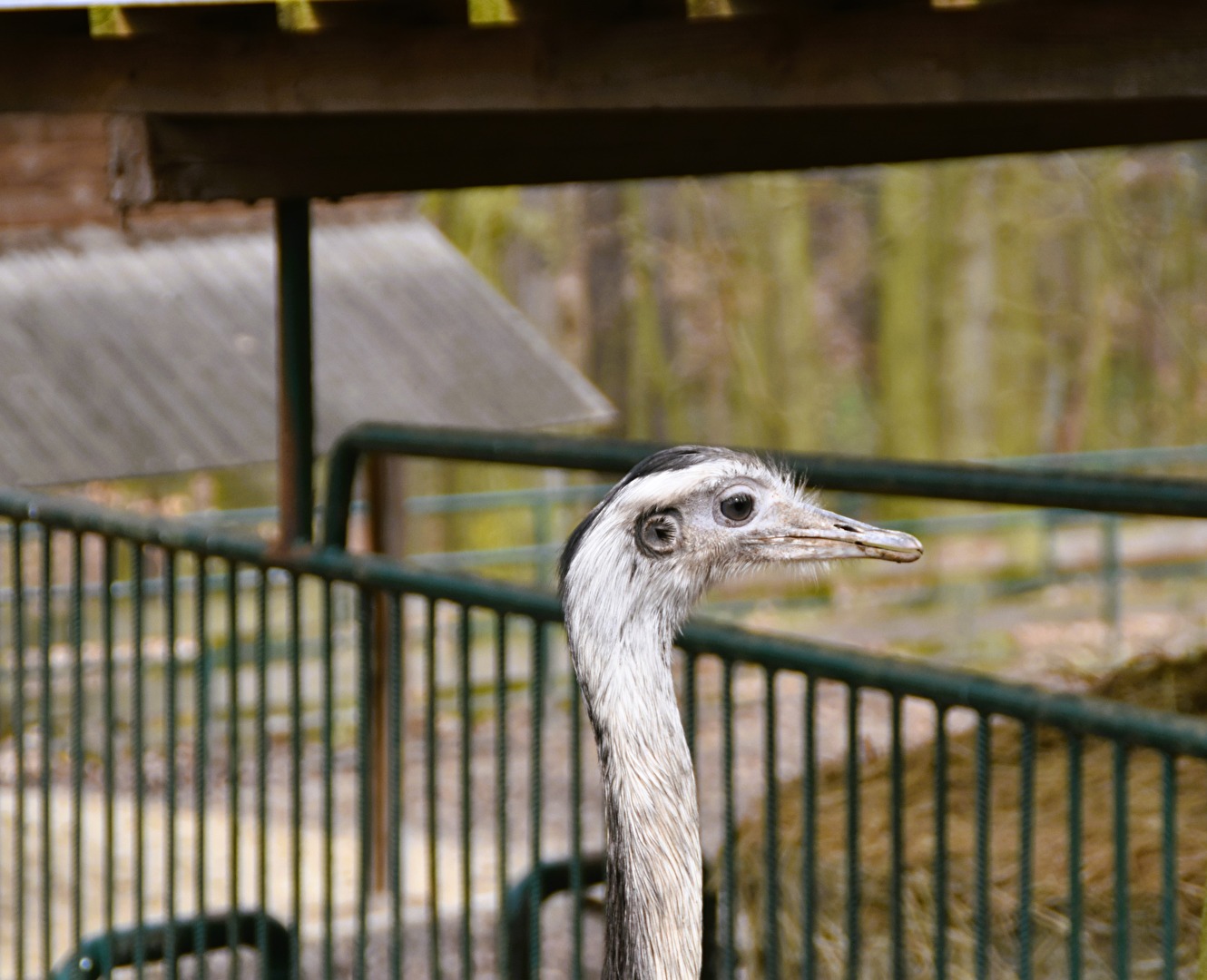



Straus Portrait
In addition to the species still existing today, there are a number of fossil species from Africa, Asia, and Europe, as well as several genera within the family. The genus and family are first traceable in the Lower Miocene in Africa. The first finds in Eurasia date from the Middle Miocene. Greater diversity can be documented for the Pliocene and Pleistocene, but the Eurasian lineages then died out again. Some of the early forms belong to the largest known birds. In the broader sense of Struthioniformes, several families can also be assigned to the closer ostrich relatives. The evolutionary history can thus be traced back to the Paleogene.The scientific naming of the ostrich genus took place in 1758. However, humans have known these animals for thousands of years. Especially during the Upper Paleolithic, but also afterwards, ostrich eggshells were significant, from which beads were made. FigIn addition to the species still existing today, there are a number of fossil species from Africa, Asia, and Europe, as well as several genera within the family. The genus and family are first traceable in the Lower Miocene in Africa. The first finds in Eurasia date from the Middle Miocene. Greater diversity can be documented for the Pliocene and Pleistocene, but the Eurasian lineages then died out again. Some of the early forms belong to the largest known birds. In the broader sense of Struthioniformes, several families can also be assigned to the closer ostrich relatives. The evolutionary history can thus be traced back to the Paleogene.
The scientific naming of the ostrich genus took place in 1758. However, humans have known these animals for thousands of years. Especially during the Upper Paleolithic, but also afterwards, ostrich eggshells were significant, from which beads were made. FigNeben den heute noch bestehenden Vertretern existiert eine Reihe fossiler Arten aus Afrika, Asien und Europa, des Weiteren auch mehrere Gattungen innerhalb der Familie. Gattung und Familie sind erstmals im Unteren Miozän in Afrika nachweisbar. Die ersten Funde in Eurasien stammen aus dem Mittleren Miozän. Eine größere Vielfalt lässt sich für das Pliozän und das Pleistozän belegen, die eurasischen Linien erloschen dann aber wieder. Einige der frühen Formen gehören zu den größten bekannten Vögeln. Im erweiterten Sinne der Struthioniformes können der näheren Straußenverwandtschaft zusätzlich mehrere Familien zugerechnet werden. Die Stammesgeschichte ist dadurch bis in das Paläogen zurückverfolgbar.
Die wissenschaftliche Benennung der Gattung der Strauße erfolgte im Jahr 1758. Den Menschen sind die Tiere jedoch schon seit Jahrtausenden bekannt. Vor allem während des Jungpaläolithikums, aber auch danach, waren die Schalen der Straußeneier bedeutend, aus denen Perlen gefertigt wurden. Abb