The landscape of East Holstein is a young product of the last ice ages (especially the Weichsel glaciation about 20,000 years ago). Scandinavian glaciers shaped the hilly terrain of the Holstein Switzerland, leaving lakes, terminal moraines, and erratics. Without this glacial deposition of debris, the region would be below sea level today.Taken near Plön, Schleswig-Holstein.
The landscape of East Holstein is a young product of the last ice ages (especially the Weichsel glaciation about 20,000 years ago). Scandinavian glaciers shaped the hilly terrain of the Holstein Switzerland, leaving lakes, terminal moraines, and erratics. Without this glacial deposition of debris, the region would be below sea level today.Aufgenommen bei Plön, Schleswig-Holstein.
Die Landschaft Ostholsteins ist ein junges Produkt der letzten Eiszeiten (insb. Weichsel-Kaltzeit vor ca. 20.000 Jahren). Skandinavische Gletscher formten das hügelige Terrain der Holsteinischen Schweiz, hinterließen Seen, Endmoränen und Geschiebe. Ohne diese eiszeitliche Ablagerung von Schutt wäre die Region heute unter dem Meeresspiegel.
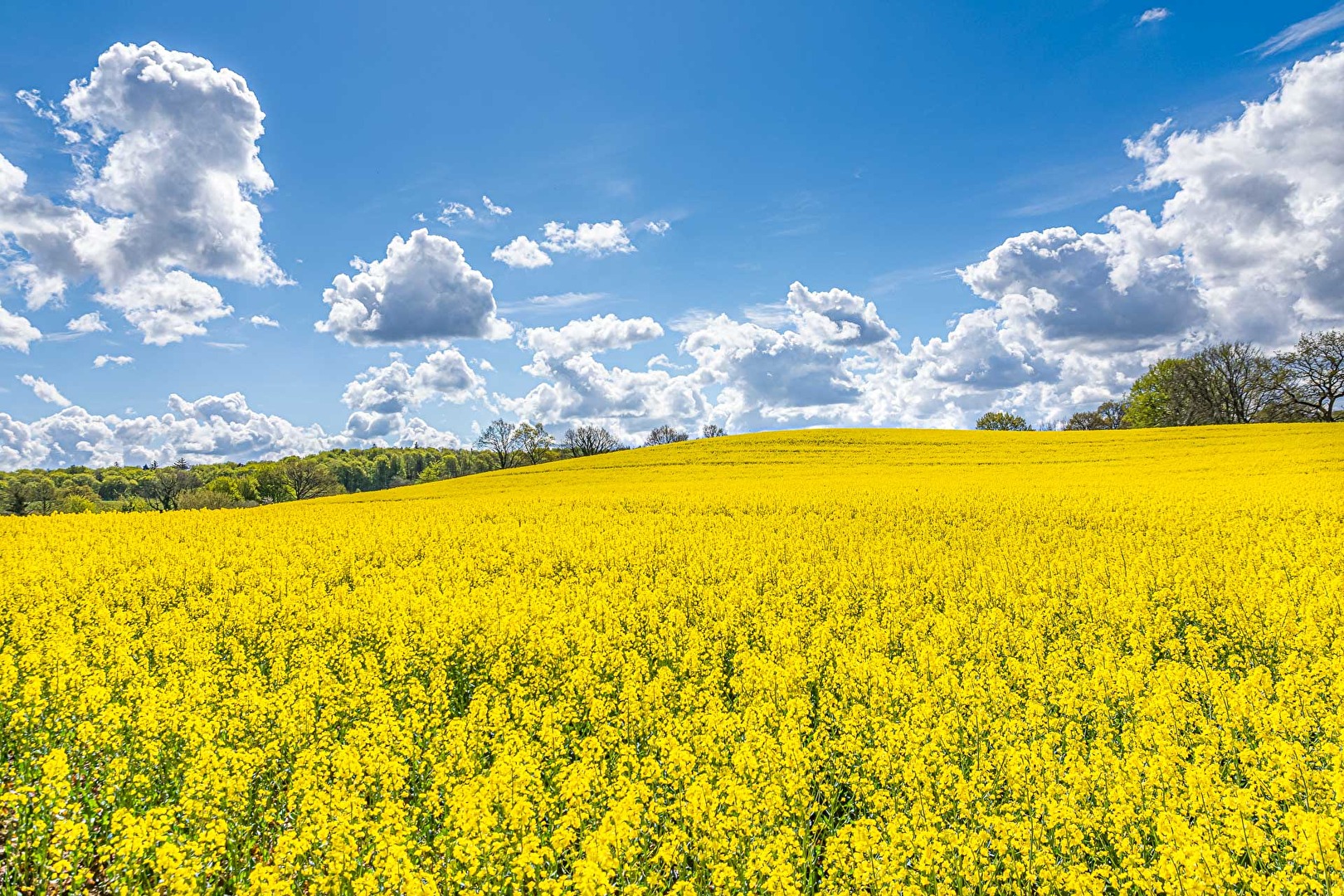





















Field of RapeseedField of RapeseedRapsfeld
Taken near Plön, Schleswig-Holstein.The landscape of East Holstein is a young product of the last ice ages (especially the Weichsel glaciation about 20,000 years ago). Scandinavian glaciers shaped the hilly terrain of the Holstein Switzerland, leaving lakes, terminal moraines, and erratics. Without this glacial deposition of debris, the region would be below sea level today.Taken near Plön, Schleswig-Holstein.
The landscape of East Holstein is a young product of the last ice ages (especially the Weichsel glaciation about 20,000 years ago). Scandinavian glaciers shaped the hilly terrain of the Holstein Switzerland, leaving lakes, terminal moraines, and erratics. Without this glacial deposition of debris, the region would be below sea level today.Aufgenommen bei Plön, Schleswig-Holstein.
Die Landschaft Ostholsteins ist ein junges Produkt der letzten Eiszeiten (insb. Weichsel-Kaltzeit vor ca. 20.000 Jahren). Skandinavische Gletscher formten das hügelige Terrain der Holsteinischen Schweiz, hinterließen Seen, Endmoränen und Geschiebe. Ohne diese eiszeitliche Ablagerung von Schutt wäre die Region heute unter dem Meeresspiegel.